
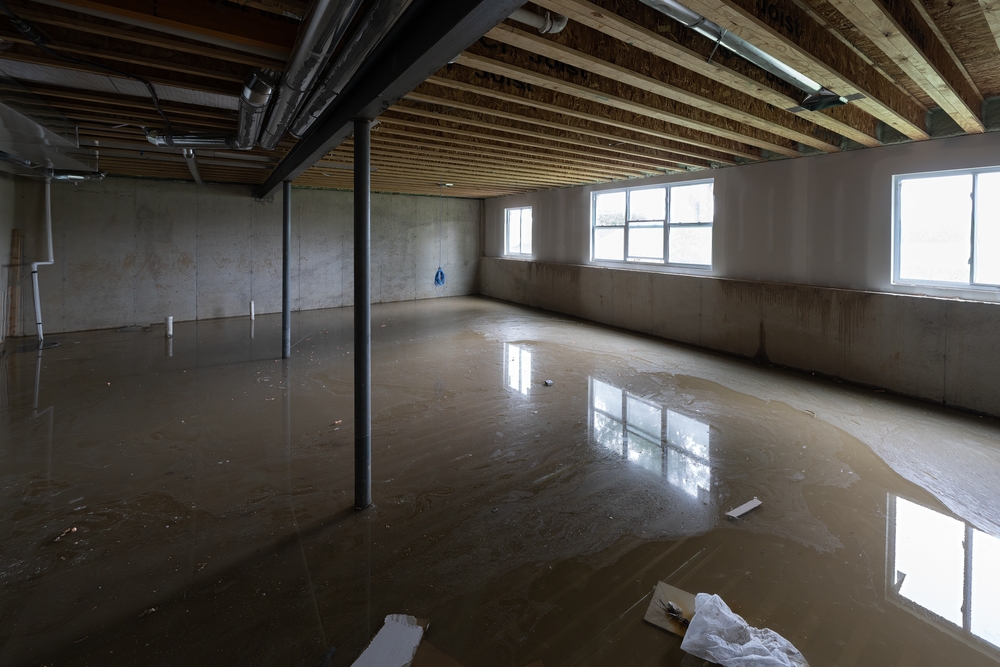
You probably don’t think about your sump pump often. Most people don’t, until it’s too late. During the rainy season or heavy summer storms, the last thing you want is a broken sump pump. If your sump pump fails to turn on when there’s excess rainfall, or you’re having an issue with an appliance, it can lead to flooding and water damage.
Failed sump pumps are among the most common causes of basement flooding in the Chicago area, especially during spring storms or when the weather warms up and the snow melts. If your home has a sump pump, knowing why it can fail, what happens if it fails, and what to do next is an important part of homeownership.
What Does a Sump Pump Do?
A sump pump collects and pumps groundwater and greywater away from your home’s foundation before it can enter your basement or crawl space. In areas like Chicagoland, where heavy rain and saturated soil are common, this pump keeps your lower levels dry.
When your sump pump is working properly, you don’t have to worry about your basement flooding during a storm, but when it doesn’t, the water can flood the lower levels of your home.
What Happens When a Sump Pump Fails?
If your sump pump breaks down, water will start overflowing from your sump pit into your basement, which can occur pretty fast, depending on the volume of excess water. Even a few inches of water in your basement can ruin carpet, drywall, and furniture, and damage your belongings. A flooded basement will cost you money for repairs and replacing damaged items.
In addition to water damage, the excess moisture can create an environment for mold and mildew in as little as 24 to 48 hours. If the water is not removed, it can also damage your appliances, any electrical components, and even your home’s foundation. The severity of the damage if your sump pump fails depends on how much water floods your basement.
Signs Your Sump Pump Isn’t Working
If your sump pump is nearing the end of its lifespan or is about to break down, there will usually be signs. Watch for these signs that your sump pump isn’t working properly:
- Not turning on when water enters the pit
- Unusual noises like grinding, rattling, or humming
- Running continuously
- Cycles on and off too frequently
- Water in the pit after the pump cycles
- Visible rust or corrosion
- Musty odors near the sump area
If you notice any of these common sump pump problems, you should have your pump inspected by a professional plumber.
Common Reasons a Sump Pump Fails
Power Outages
Sump pumps require electricity, so if your power goes out, the pump will stop working unless you have a battery backup or a generator.
Stuck Float Switch
Every pump has a float switch that activates it when the water rises to a certain level. If it becomes tangled, blocked, or stuck, the pump won’t turn on and won’t move any water.
Blocked Discharge Pipe
The discharge pipe connects the sump pump to the outside, where water is drained. It can become blocked by things like debris, mud, or ice, causing water to back up into your house.
Wear and Tear
Like any mechanical system, sump pumps wear out over time. Components like motors, bearings, and switches eventually fail and will need to be repaired or replaced.
Improper Installation
If your sump pump is undersized or wasn’t installed correctly, it may not be able to handle all the groundwater or runoff, leading to overflows and water damage.
Poor Maintenance
Dirt and debris in the sump pit can stop it from working properly. Routine maintenance, along with regular testing and cleaning, can prevent common sump pump problems.
What to Do If Your Sump Pump Failed
If your sump pump has failed or is experiencing issues pumping groundwater away from your home, here are some troubleshooting tips:
- Check the circuit breaker to make sure the pump has power.
- Confirm that the float switch can move freely.
- Inspect the discharge line for visible blockages.
- Remove water with a wet/dry vacuum if it is safe to do so.
- Contact a licensed plumber for emergency sump pump repair.\
Do not enter the area if you see standing water near electrical outlets or other appliances.
How to Prevent a Failed Sump Pump
In order to avoid a sump pump breakdown, you should treat it like any other home system and keep up with regular maintenance. To test whether your sump pump is working efficiently, pour water into your sump pit to see if it kicks on and removes the water. Ensuring that the sump pit is kept clean can help prevent debris buildup, which can prevent the float switch from operating effectively. Getting professional maintenance can identify any old parts that are at risk of breaking down.
It is also important to think proactively. These systems typically have a lifespan of 7 to 10 years, so proactively replacing your sump pump can prevent potential failures. Adding a battery backup provides an extra layer of protection, allowing your sump pump to continue operating even if a storm causes your power to go out.
When to Replace Your Sump Pump
Replacing an older pump can be far less expensive than dealing with water damage. It may be time for a system replacement if:
- The pump is more than 7 to 10 years old
- You’re having to repair it more frequently
- The pump struggles during heavy rain
- You have repeated basement flooding
Why Chicagoland Homes Are Vulnerable to Flooding
There are many factors and conditions that increase the risk of basement flooding in Chicagoland homes. Heavy storms in spring and summer can result in large amounts of rain in a short time. Melting snow from the winter months also adds water to soil that is already saturated. Many areas also have high groundwater levels, so water often collects around residential foundations year-round.
The soil in northeastern Illinois has a lot of clay in it, which means it doesn’t drain well, causing moisture to build up near your home. The older foundations typical in many Chicago and suburban neighborhoods mean your home needs a sump pump to protect against water damage.
Protect Your Basement Before the Next Storm
For years, Robert Bair has helped Chicagoland homeowners diagnose plumbing issues, like common sump pump problems. Our team can take care of your failed sump pump and install a replacement. Our sump pump services will help keep your basement dry. We also offer water abatement if your pump didn’t work and you have water damage.
Don’t wait until your basement is flooded or your foundation is compromised. If your sump pump needs repairs or your system is just old and outdated, Contact Robert Bair Plumbing, Heating & Air for sump pump repair, maintenance, or replacement.